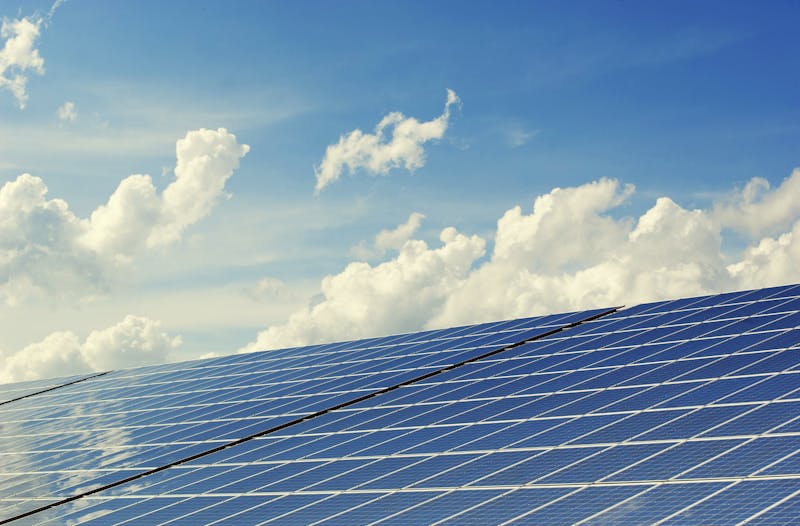
AI-Powered Forecasting: The Engine Behind Modern Energy Dispatch
In the complex landscape of Canadian energy grids, the margin for error is slim. Traditional dispatch models, reliant on historical averages and manual adjustments, are increasingly inadequate against the volatility of renewable sources and fluctuating demand. This is where artificial intelligence steps in, not as a mere tool, but as the core engine for predictive load analysis and intelligent dispatch.
The fundamental shift lies in moving from reactive to proactive system management. AI algorithms, particularly deep learning models, ingest vast datasets—from real-time weather satellite feeds and IoT sensor networks across generation facilities to granular consumption patterns from smart meters. By analyzing these multi-dimensional data streams, the platform can forecast load with unprecedented accuracy 24 to 72 hours in advance.
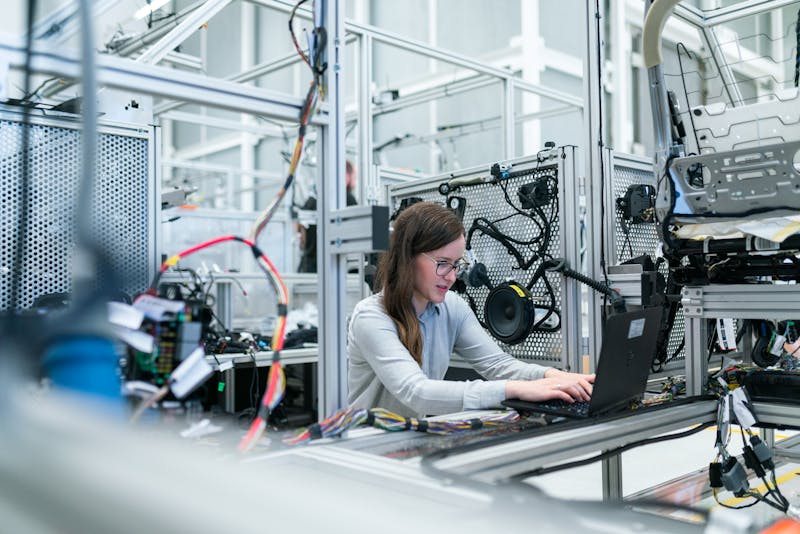
Beyond Prediction: Coordinated Distribution in Action
Accurate forecasting is only the first step. The true value of an intelligent dispatch system is realized in its ability to orchestrate coordinated distribution. Imagine a scenario where a sudden cold front sweeps across Alberta, spiking heating demand, while simultaneously, cloud cover reduces solar output in Ontario. An AI-driven system doesn't just see these events in isolation.
It performs a continuous, real-time cost-benefit analysis, weighing factors like transmission line capacity, storage battery charge levels, the marginal cost of activating a peaker plant versus importing power, and even predicted fuel prices. The system then automatically generates and executes an optimal dispatch schedule, balancing the grid while minimizing cost and carbon footprint. This operational supervision happens in milliseconds, a task impossible for human operators to perform at scale.
Ensuring System Balance and Operational Consistency
The ultimate goal is system balance—maintaining a perfect equilibrium between supply and demand every second of the day. AI supports this through constant monitoring and micro-adjustments. Machine learning models learn the unique "fingerprint" of different grid components, predicting failure risks in transformers or identifying inefficiencies in hydro turbine performance before they cause disruptions.
This leads to a new era of operational consistency. Instead of the grid lurching between states of stress and relief, intelligent dispatch creates a smooth, optimized flow of energy. For utility companies in Canada, this translates directly into reduced operational costs, enhanced reliability for consumers, and accelerated progress toward sustainability targets by maximizing the integration of variable renewables like wind and solar.
The future of energy systems is not about bigger power plants, but smarter coordination. By leveraging AI for forecasting and dispatch, we build grids that are resilient, efficient, and ready for the demands of the 21st century.